Improving sustainability in alkyd wood coatings with linseed oil and high-performance catalysts
Dietmar Helker, Allison Linn – BORCHERS
In recent years, there has been an increased demand for improving the sustainability of coatings for wood. Replacing oils and driers in these coatings is one way to improve sustainability. However, when replacing current materials with more sustainable alternatives, coating formulators may be concerned about negatively impacting performance when adopting these options.
Utilizing a combination of bio-based linseed oil with Borchi® cobalt-free high-performance catalysts (HPCs) has been proven to enhance performance properties like scratch resistance and water resistance while improving the sustainability of wood coatings.
In today’s wood coating market, both the Do-it-Yourself (DIY) and professional decorative segments are actively seeking sustainable coating options for many wood surfaces. Traditional oils used in wood coatings are typically derived from fossil raw materials which often contain high levels of Volatile Organic Compound (VOC) content. These paints pose environmental and health risks that require GHS pictograms and have a strong odor.
The drier packages used in alkyd wood coatings also raise concerns as they typically contain cobalt, which is facing toxicity concerns due to exposure risks in coating applications. This has prompted various regions to consider restrictions and reclassifications for cobalt siccatives used in coatings. Reclassification may require GHS pictograms on coatings with these driers.
Fortunately for coating formulators, 100% natural oils for wood and cobalt-free curing additives for coatings are already available. These alternatives not only offer improved sustainability but, in many cases, even elevate performance.
Compared to solvent-based and high-solids oils, solvent-free and very high-solids natural oils exhibit excellent sustainability properties. These bio-based oils are free of VOCs and do not require hazard pictograms. Moreover, they also have little to no odor. A prime example of an efficient natural oil is linseed oil.
Linseed oil, derived from the dried seeds of the flax plant, is a bio-based and VOC-free oil suitable for various coatings for wood. It boasts several advantages, including excellent adhesion, color, and elasticity. Furthermore, it effectively safeguards against changes in humidity and penetrates deep into the wood.
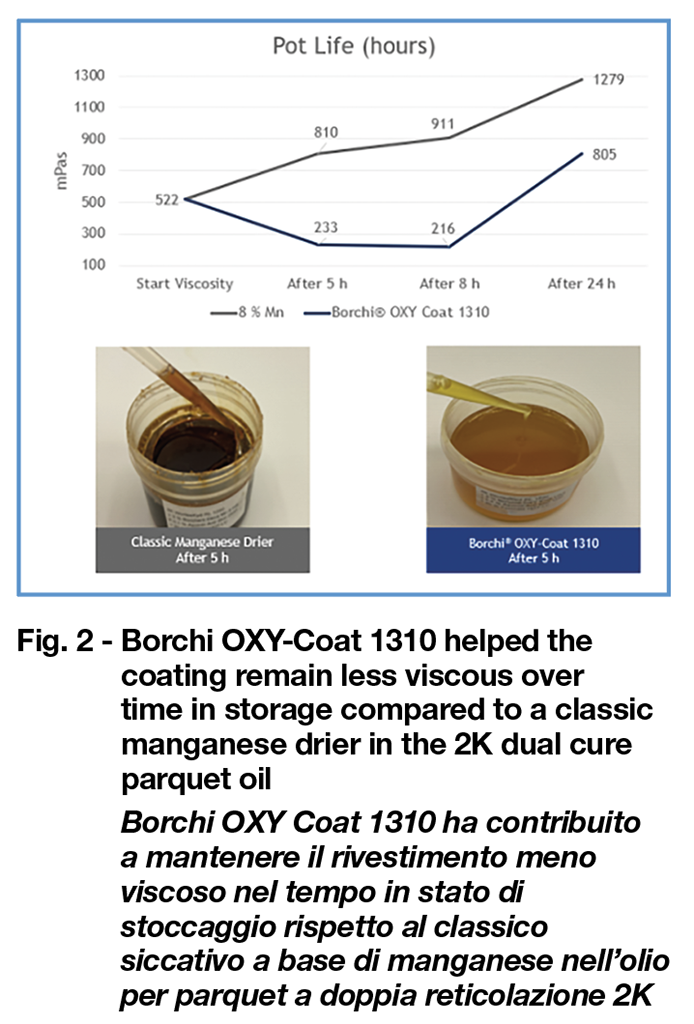
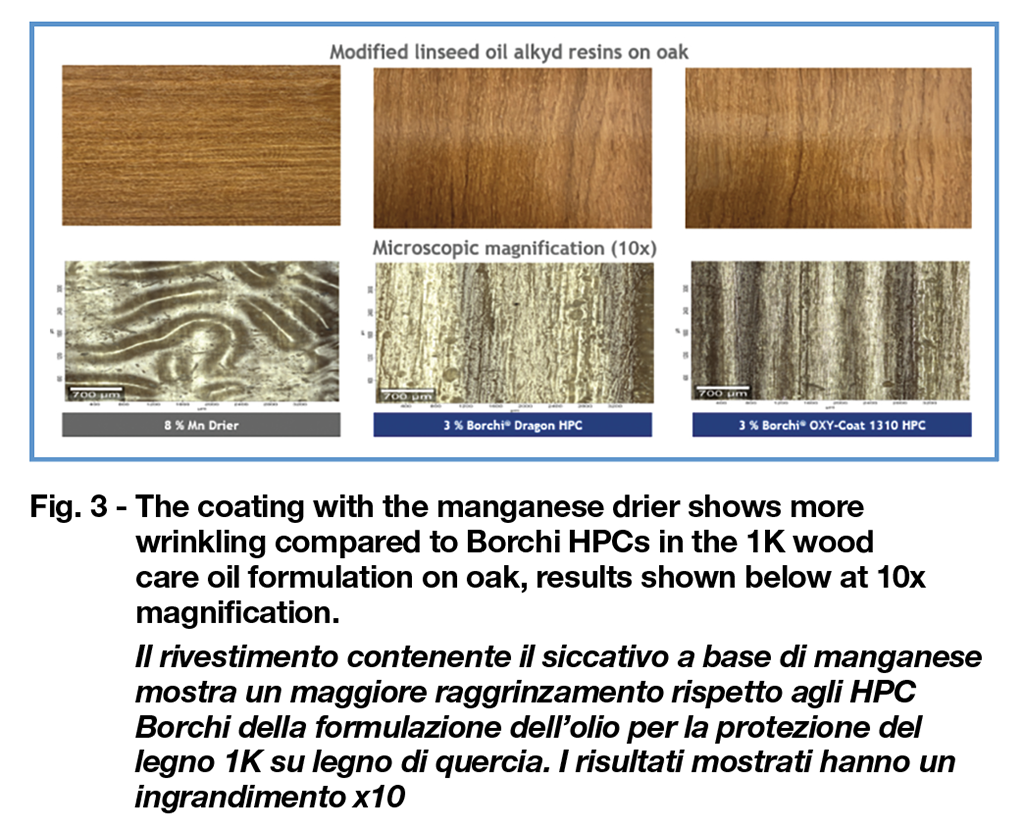
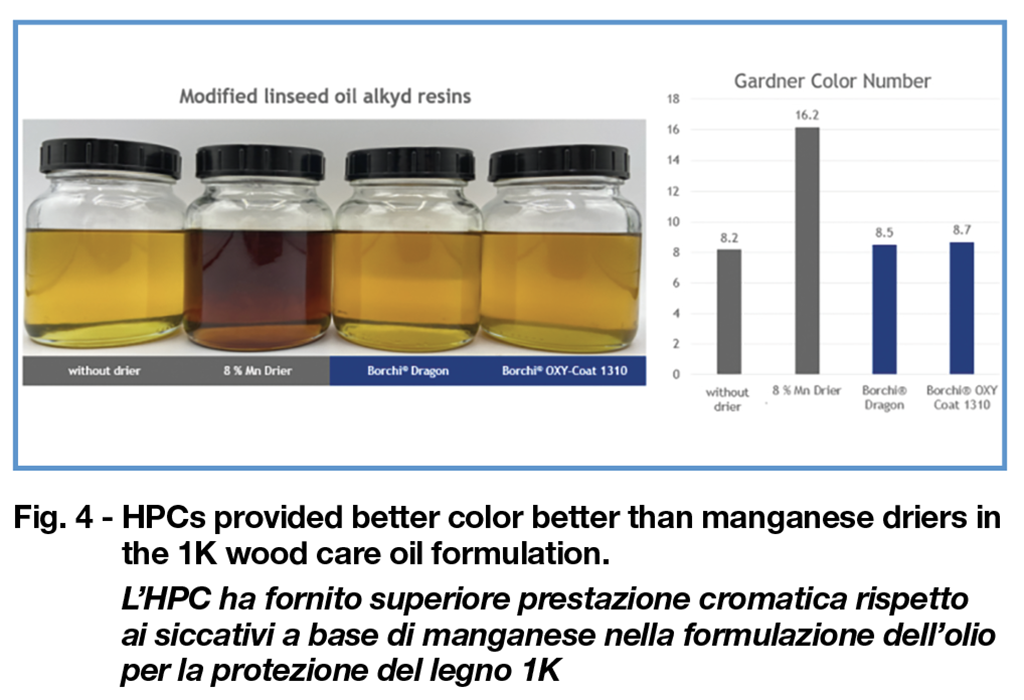
Although linseed oil on wood has many advantages, it also presents certain performance challenges in many applications. For instance, it exhibits long through-dry times, limited pot life in 2K systems, and wrinkling at high film builds. Additionally, linseed oil can result in coatings with high Gardner color numbers. Using the appropriate coating additives to overcome these challenges is crucial while ensuring sustainability remains uncompromised.
COBALT DRIER ALTERNATIVE OPTIONS
Cobalt-Free High-Performance Catalysts (HPCs)
Borchi® OXY-Coat 1310 and Borchi Dragon high-performance catalyst curing additives serve as effective cobalt drier alternatives for wood coatings, particularly when used with linseed oil-based alkyd resins. These HPCs are patented organometallic ligand technologies that are free of carcinogenic, mutagenic, or reprotoxic materials. They are also alkylphenol ethoxylate (APEO)-free, REACH compliant, and globally registered. By utilizing HPCs, formulators can achieve excellent performance, countering the challenges associated with raw linseed oil.
As formulators shift away from cobalt-based driers, some may consider using manganese driers in their place. However, manganese driers tend to cause discoloration and darker shades.
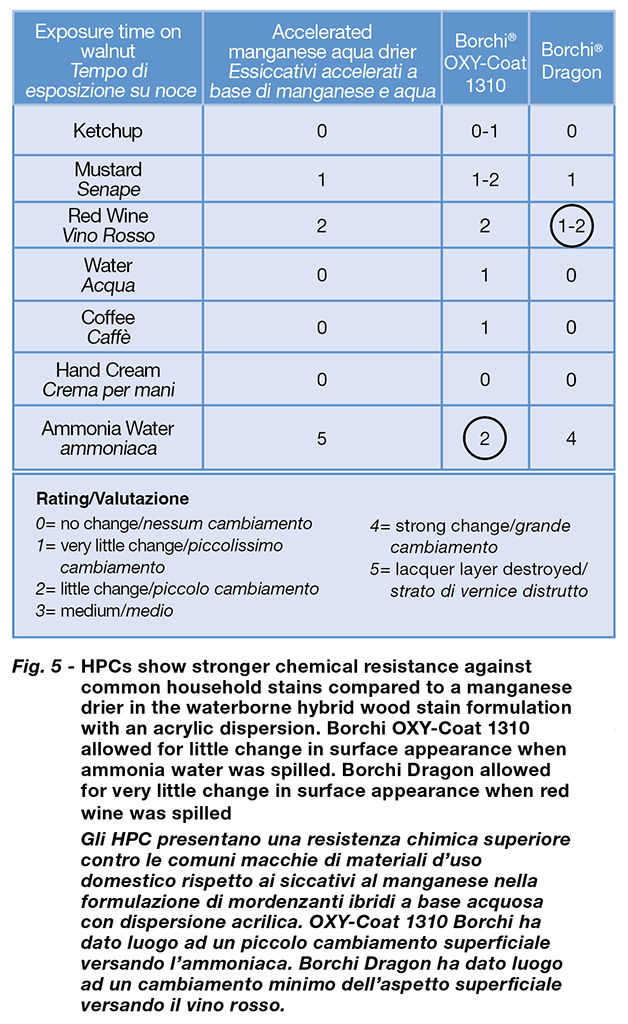
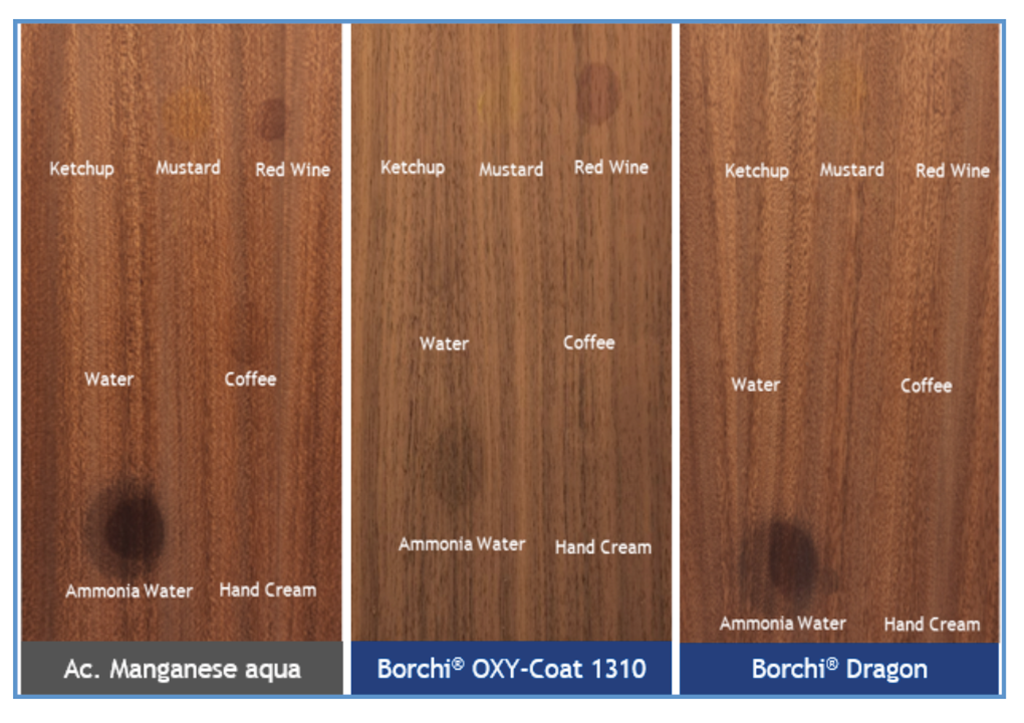
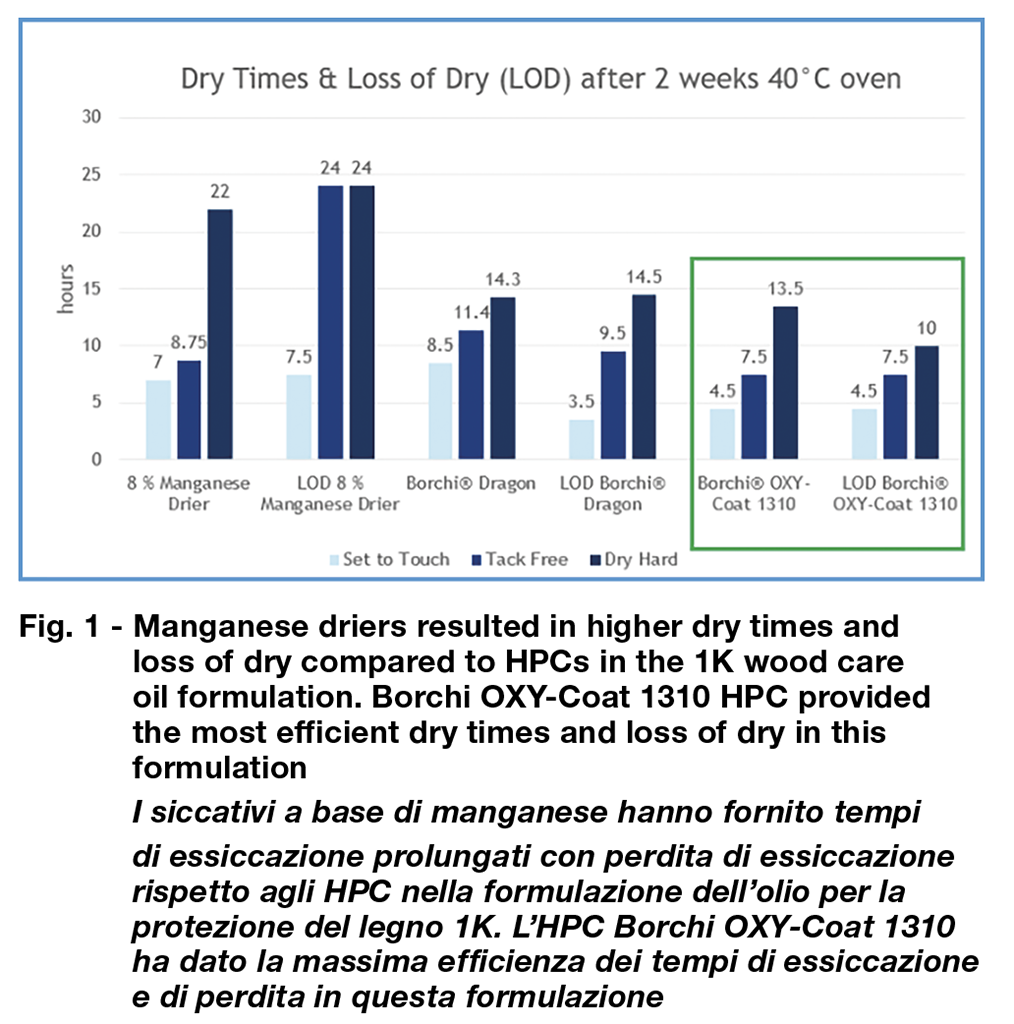
HPCs have been extensively tested against manganese driers in various linseed oil-based wood coating formulations. These include 1K wood oil, 2K dual cure parquet oil, and waterborne acrylic hybrid wood stain formulations. The results clearly demonstrate the HPC formulations offer faster dry times (Fig. 1), longer pot life (Fig. 2), improved wrinkling resistance (Fig. 3), lower Gardner color (Fig. 4), and enhanced chemical resistance (Fig. 5).
CONCLUSIONS
With the demand continuing to increase for bio-based materials, 100% natural linseed oil is a good choice for wood coatings. While linseed oil alkyd resins improve sustainability in coatings, the common use of cobalt driers with alkyds falls short in this aspect. However, by utilizing Borchi HPC driers as alternatives for cobalt or manganese driers, sustainability can be improved without compromising performance.
As a sustainability-focused organization, Milliken & Company is committed to developing solutions that provide a positive impact for generations to come. As a part of Milliken, the Borchers brand aims to provide coating additives that are safer for the environment, which further enhances the sustainability of the customer’s products.
The development of coating additives like Borchi HPCs is an example of Borchers brand moving toward safer solutions for customers. Cobalt-free HPCs eliminate the use of certain chemicals of concern without sacrificing performance.