Innovative star up manufacture bio-ingredients also for the coatings industry

ISUSCHEM

Isuschem srl is an innovative start-up and a university spin-off combined with the chemical sciences department of the University of Federico II of Naples which operates in the circular bio-economy sector. The company produces and markets bio-ingredients for industrial use starting from derivatives of used vegetable oils or from marginal crops (thistle, safflower, tobacco).
Isuschem is the abbreviated form of Italian sustainable chemistry to indicate without misunderstanding that the company deals with sustainable chemistry.
The corporate structure is made up of researchers from the Chemical Sciences department of Federico II in Naples and young local entrepreneurs who have decided to get together to try to create a new way of doing research and manufacturing.

The company’s production activity consists of basic research and industrial synthesis of products derived from exhausted vegetable oils or from marginal crops not intended for food use. These oils are part of the so-called third generation biomass which does not imply the use of products deriving from food crops (mainly palm or soya) and does not take away soil from the cultivation of products from the food chain.
This approach respects many principles of Green Chemistry and therefore fits into the development lines of the Circular Economy because it gives new life to waste products and low added value which would otherwise have ended up either in thermodestruction or in any case in the fuel sector. The low E-factor (process pollution rate), the high atom economy (there is no waste in the process) and the use of renewable and sustainable raw materials are all points to favor of the presented approach. Still referring to the principles of green chemistry, it is important to point out that the company’s process involves the use of an inexpensive Zn-based catalyst, which acts in a homogeneous phase during the reaction at the temperatures used but which is then filtered, recovered and reused in the same reaction.

APPLICATIONS
The company aims to launch innovative solvents on the market for the entire industry of printing, graphics and cosmetics. These solvents derived from medium-short chain fatty acids of sustainable vegetable oils have been successfully used in the formulations of offset printing inks for food packaging, for cleaning agents of printing machines and as a starting base for paints for surface coating of wood and ceramic materials. These esters that the company intends to launch on the market were also preliminarily used as eco-sustainable surfactants and emulsifying agents as well as additives for the formulation of cosmetics in the trichology and sunscreen sectors.

In the sector of offset printing inks supplied for the food packaging sector, new products can be obtained thanks to the particular solvent capacity of the synthesized esters in order to standardize the production processes without having to resort to different solvents when using different resins as currently happens. Furthermore, energy savings are achieved by significantly improving the production conditions of basic paints because, again, thanks to its surprising solvent capacity, the process can be carried out at a lower temperature and with significantly shorter production times. There is an advantage for the entire supply chain thanks to the use of solvents produced by Isuschem: the ink manufacturer reduces CO2 emissions by 50% and the final printer reduces the environmental impact of food packaging by up to 60%.

PRODUCTION PLANT
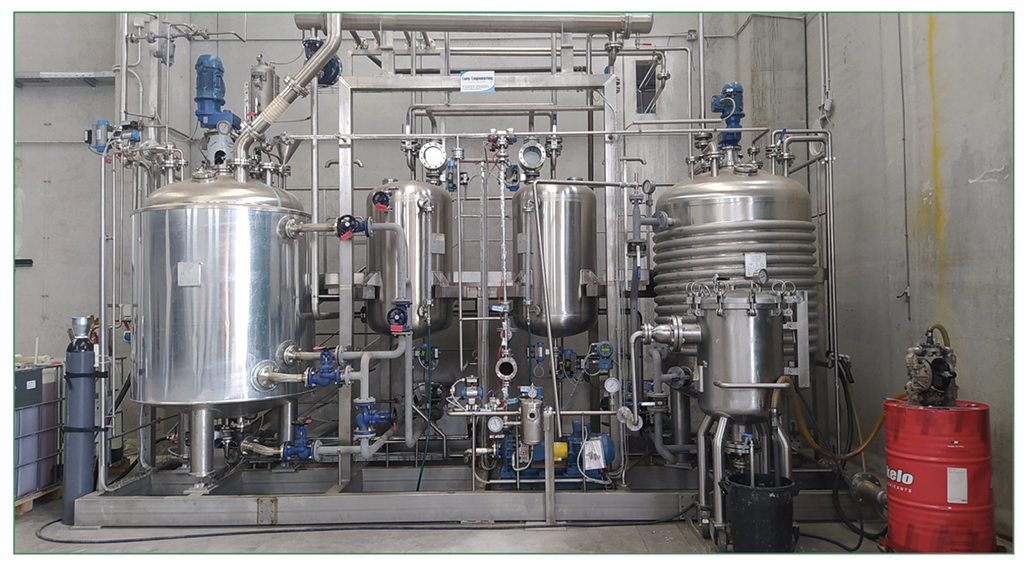
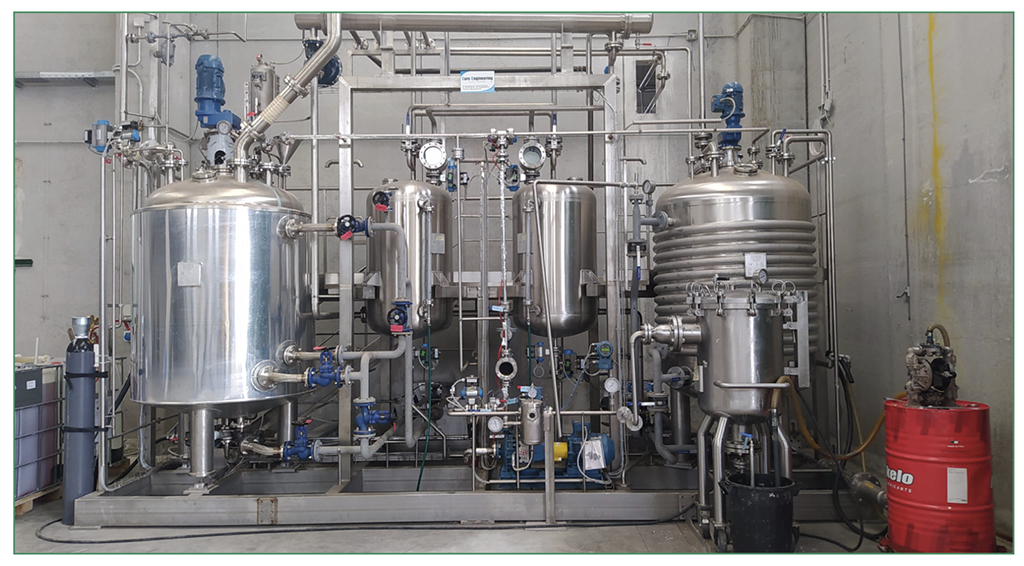
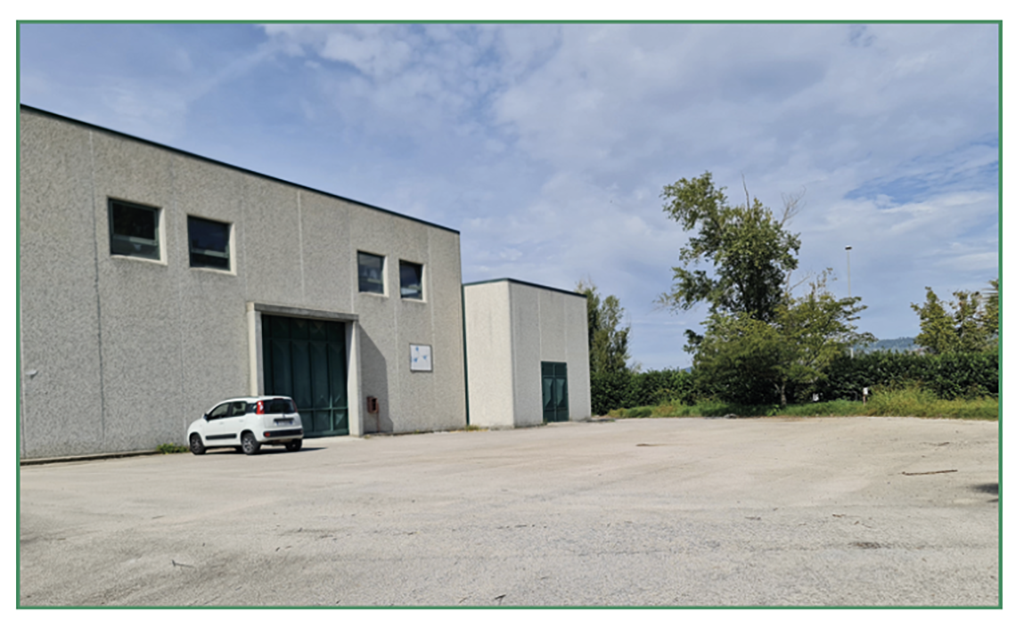
The production company headquarters is located in Caserta. This is where the Isuschem team works with a process that involves the use of an inexpensive and completely reusable zinc-based catalyst. It acts in a homogeneous phase during the reaction at the temperatures used, after which it is filtered, recovered and reused in the same reaction. The company owns 2 patented technologies which have brought both product innovation in the field of offset printing and process innovation in the production of its own solvents. Those who use this solvent work at a lower temperature in a less time. For example, currently to manufacture a basic ink, producers need to work at 120 degrees for 4 hours. With this solvent it is possible to drop to 70 degrees, working on it for an hour/an hour and a half maximum.


DOWNLOAD THE PDF FILE